
Karnataka Withdraws 2022 Order, Permits ‘Limited Traditional and Custom-Based Symbols’ in School and PU Colleges
Karnataka Withdraws 2022 Order, Permits ‘Limited Traditional and Custom-Based Symbols’ in School and PU Colleges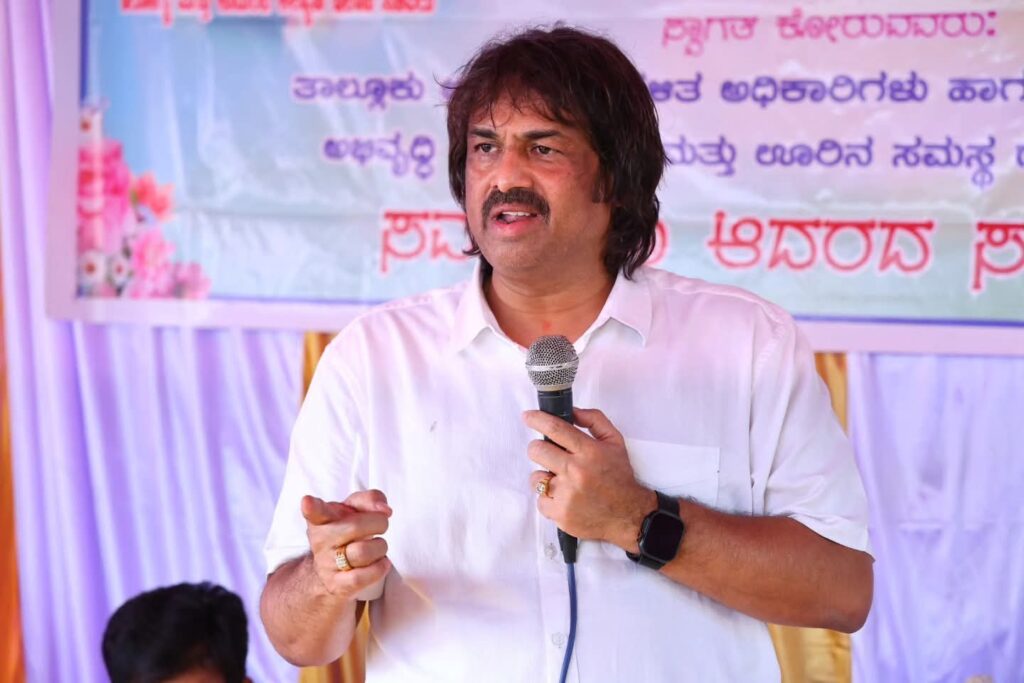
Bengaluru, May 13: In a significant move aimed at fostering inclusivity, the Karnataka government on Wednesday withdrew the 2022 order on school and PU college uniforms, issuing new guidelines that permit students to wear ‘limited traditional and custom-based symbols’ alongside their prescribed uniforms.
However, such traditional and customary symbols should not defeat the purpose of the prescribed uniform
The new directive, issued by the Department of School Education and Literacy, explicitly withdraws Government Order No. EP 14 SHH 2022 dated February 5, 2022, with immediate effect. The objective is to promote uniformity, equality, and secularism while guaranteeing equitable educational access for all.
Under the revised guidelines, students across all government, aided, and private schools, as well as pre-university colleges, are still required to adhere to their institution’s prescribed uniform.
However, they are now allowed to incorporate “limited traditional and custom-based symbols.” The government order explicitly lists examples such as turbans, sacred threads (Janivara), Rudraksha, headscarves (Hijab) and similar custom-based symbols.
However, it is subjected to certain conditions:
The traditional symbols must be complementary to the prescribed uniform.
They must not alter, modify, or defeat the fundamental purpose of the uniform.
The symbols must not disrupt institutional discipline, compromise safety, or hinder student identification.
The government order strictly prohibits educational institutions from denying entry to any student into classrooms, examination halls, or academic activities solely on the grounds of wearing these permitted symbols. Concurrently, institutions cannot mandate the wearing of these symbols, nor can they forcibly require their removal.
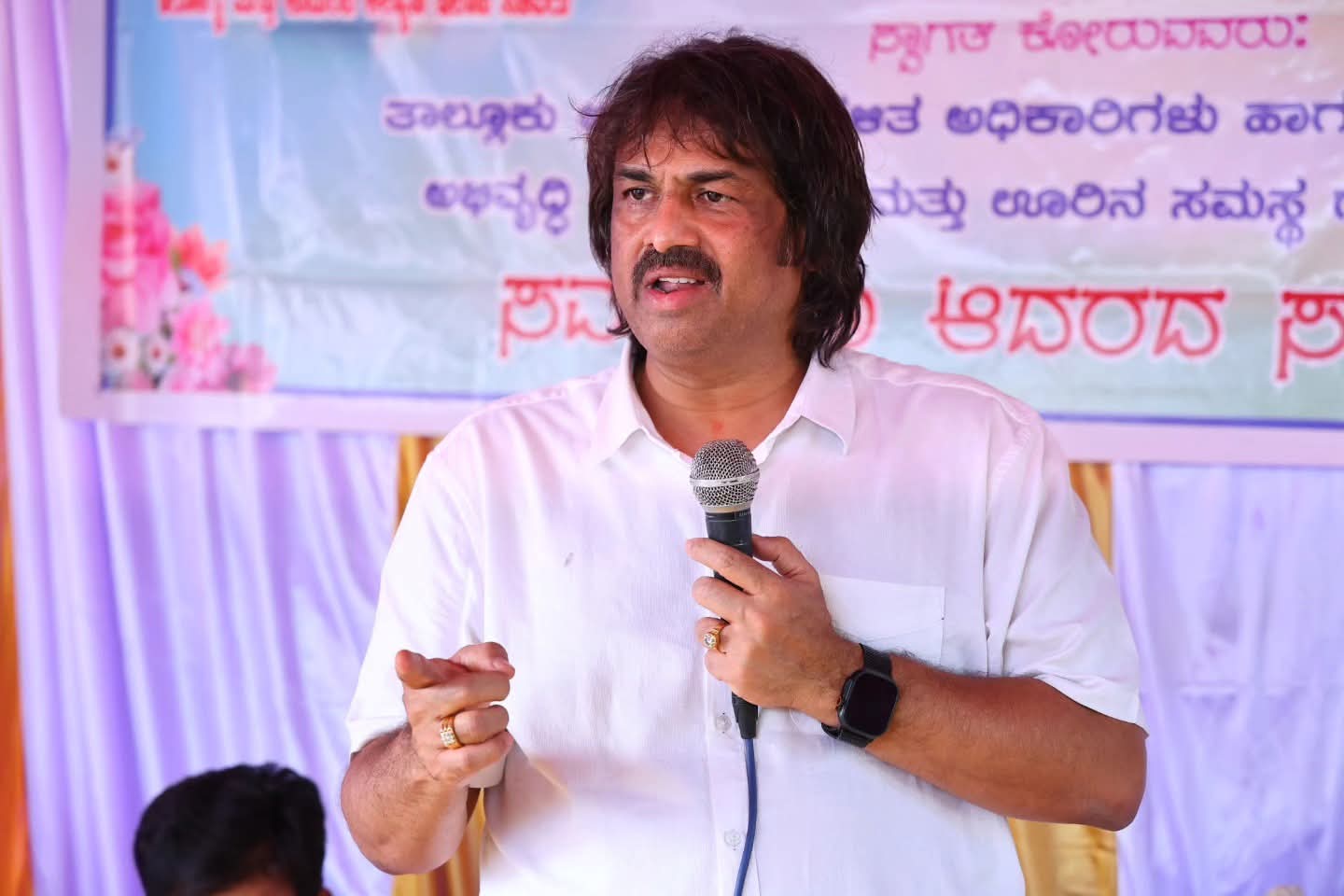
Addressing the press conference, School Education and Literacy Minister Sri S. Madhu Bangarappa emphasised the primary purpose of schooling. “Why do children come to school? It is for education,” he stated, adding that children bring their religious and cultural traditions from home. He clarified that the new rules, implemented under the guidance of Chief Minister Sri Siddaramaiah, are intended to respect all religions and castes, ensuring that “when children come to school for education, they shouldn’t face any kind of hardship.” The minister also clarified that in specific instances, like exams, national or state-level dress codes may still apply.
The policy revision follows a recent incident on April 24, where a student’s sacred thread was allegedly removed, an event that sparked widespread debate and hardship among students. Health and Family Welfare Minister Sri Dinesh Gundu Rao, speaking on the matter, reiterated that such actions have no place in schools and colleges. “Children come to school only for education, and we have to deliver that,” Mr Rao said.
The new order directs School Development and Monitoring Committees (SDMC), College Development Committees (CDC), and institution heads to prevent any discriminatory or humiliating behavior. The order invokes the inclusive philosophy of 12th-century social reformer Basavanna, urging institutions to adopt the stance of “Iva nammava” (He is ours). Any prior institutional circular, resolution contradicting this new order is now declared void.
“This is a very good decision, and through this, it will be helpful in creating equality and a sense of harmony among everyone,” Mr Bangarappa concluded, thanking the Chief Minister Sri Siddaramaiah for the directive.